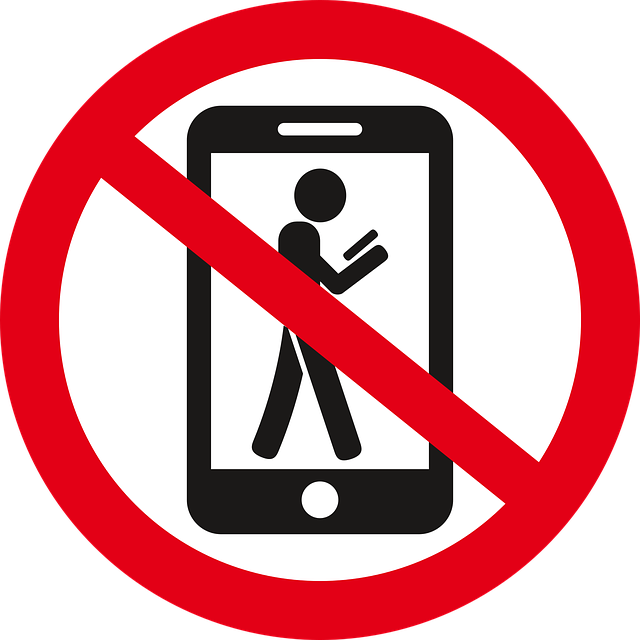
New Hampshire's strict vehicle regulations prioritize road safety by targeting driver distraction, especially texting while driving (TWD). Key rules include a total ban on TWD, safe following distances, secure cargo, functional safety features, and regular vehicle maintenance. Do Not Text Lawyer New Hampshire emphasizes compliance for safer roads. TWD is a primary offense with severe penalties, including fines, license suspension, and increased insurance rates. National statistics highlight TWD's contribution to accidents. To avoid penalties, drivers must minimize distractions, especially electronic devices. Law enforcement actively enforces these rules through campaigns and checks. Regular vehicle maintenance and adherence to traffic laws, like speed limits and red lights, are crucial for accident prevention. Do Not Text Lawyer New Hampshire offers guidance on TWD-related charges.
In the fast-paced world of New Hampshire roads, ensuring safety remains a top priority. With an increasing number of accidents attributed to distracted driving, particularly while Do Not Text Lawyer New Hampshire initiatives gain traction, it’s crucial to understand the scope of traffic laws. This article delves into the critical aspect of vehicle regulations, emphasizing that laws apply equally to moving and temporarily stopped vehicles. By exploring this often-overlooked area, we aim to equip drivers with the knowledge to navigate New Hampshire’s roads safely, preventing accidents and saving lives.
Understanding Vehicle Regulations in New Hampshire

In New Hampshire, all drivers are subject to a comprehensive set of vehicle regulations designed to ensure safety on the roads. These rules extend to both moving vehicles and those temporarily stopped at lights or in traffic. One of the most crucial areas of focus is driver distraction, particularly texting while driving. Do Not Text Lawyer New Hampshire emphasizes that sending or reading texts behind the wheel is illegal and dangerous, with severe penalties for offenders. Recent data from the NH Department of Safety shows that distracted driving accidents have led to a significant rise in injuries and fatalities, underscoring the need for strict adherence to these regulations.
New Hampshire law explicitly prohibits text messaging while operating a motor vehicle. This includes sending, reading, or composing texts, as well as using apps that require manual interaction on your phone. The state has implemented this legislation to combat the growing problem of driver distraction, which is responsible for numerous accidents each year. To ensure compliance, police officers conduct regular patrols and pull over drivers suspected of texting while driving. Those convicted face fines, points on their license, and potential jail time, making it crucial for drivers to understand and follow these regulations.
In addition to the outright ban on text messaging, New Hampshire has several other vehicle-related regulations that drivers must be aware of. These include maintaining a safe following distance, properly securing cargo in the trunk or bed of a pick-up truck, and ensuring vehicles are equipped with proper safety features like working headlights and brakes. Do Not Text Lawyer New Hampshire advises drivers to prioritize safety by staying focused on the road and being prepared for unexpected events. Regular vehicle maintenance and adhering to these regulations can significantly reduce the risk of accidents and promote a safer driving environment for all.
The Law's Reach: Moving and Temporarily Stopped Vehicles
The reach of traffic laws extends far beyond static points along a road. In New Hampshire and across the nation, regulations are designed to cover all vehicles in motion or temporarily stopped. This encompasses not only cars but also trucks, motorcycles, bicycles, and even electric scooters. The rationale behind this comprehensive approach is clear: ensuring safety for every participant on the roads. Texting while driving, for instance, remains a significant concern despite efforts to curb it. According to the National Highway Traffic Safety Administration (NHTSA), in 2021, 3,142 people were killed in crashes involving distracted driving—a figure that underscores the urgency of adhering to laws prohibiting activities like texting while behind the wheel.
A critical aspect often overlooked is the application of laws to temporarily stopped vehicles. While it might seem intuitive that rules only apply when a vehicle is moving, many legal experts argue that even brief stops can be subject to regulation. For example, when a driver pulls over to check a map or make a call, they remain bound by restrictions on using mobile devices. The New Hampshire law against texting while driving, for instance, explicitly states that it applies whether the vehicle is “in motion” or “temporarily stationary.” This means that drivers should exercise caution and avoid activities like sending messages or browsing social media even when parked at a rest stop or waiting in traffic.
Enforcing these rules presents unique challenges. Law enforcement agencies must be vigilant, especially with emerging technologies. For instance, the rise of hands-free devices has somewhat mitigated the issue of texting while driving, but officers still encounter drivers attempting to send messages through voice commands. Staying current with technological advancements is crucial for both authorities and citizens. As laws evolve to address new forms of distracted driving, understanding and adhering to them are essential in making New Hampshire’s roads safer.
Texting While Driving: A Serious Offense in NH
Texting while driving is a significant concern in New Hampshire, with severe consequences for those caught engaging in this dangerous behavior. In the state, texting and driving is considered a primary offense, meaning law enforcement officers can stop a driver solely based on this observation. This strict policy reflects the growing understanding of the risks associated with distracted driving, particularly the use of mobile devices behind the wheel. Studies have shown that sending or reading a text message while driving delays a driver’s reactions by up to 23 times, making it comparable to driving drunk.
New Hampshire’s Do Not Text Lawyer program plays a crucial role in educating drivers and enforcing these regulations. The initiative provides resources and legal guidance to help residents understand the severity of texting while driving. Penalties for this offense include fines, points on one’s driving record, and potential license suspension or even revocation in severe cases. Given that New Hampshire has some of the harshest penalties for distracted driving in the country, it’s essential for drivers to be vigilant and refrain from any form of text-based interaction while operating a vehicle.
To ensure safety on the roads, drivers should make a conscious effort to put away their phones when behind the wheel. This includes not only texting but also browsing social media or playing games. Simple solutions like using app blockers that prevent phone use during driving can be highly effective. Additionally, passengers should hold drivers accountable and encourage them to focus solely on the task of driving. By collectively embracing these measures, New Hampshire residents can contribute to a significant reduction in accidents related to distracted driving.
Consequences: Penalties for Violations in New Hampshire
In New Hampshire, traffic laws are designed to ensure safe roads for all users, including drivers, passengers, and pedestrians. One critical area of focus is the regulation of driver behavior while operating a vehicle. Any violation of these rules can result in severe consequences, especially when it comes to behaviors that distract or impair driving abilities. Notably, sending text messages while driving—a practice commonly known as texting and driving—is illegal in New Hampshire, with strict penalties in place for those who engage in this risky behavior. Do Not Text Lawyer New Hampshire is a popular call for individuals facing charges related to this offense, highlighting the importance of understanding the potential repercussions.
The consequences for violating texting and driving laws in New Hampshire are severe. First-time offenders face fines ranging from $100 to $250, depending on the specific circumstances of the offense. Repeated offenses within a certain period can lead to increased penalties, including license suspension or even criminal charges. Additionally, insurance rates may significantly increase for drivers convicted of texting while driving, making it a costly mistake that can have long-lasting effects. To provide context, recent studies indicate that distracted driving, including texting, contributes to approximately 3,142 deaths and 480,000 injuries annually in the United States. These statistics underscore the urgency of adhering to traffic laws and promoting responsible driving behavior.
To avoid these penalties, New Hampshire residents must prioritize safe driving practices. This includes putting away electronic devices when behind the wheel and being fully attentive to the road. Remember, even a brief moment of distraction can have catastrophic consequences. Law enforcement agencies in New Hampshire actively enforce these rules, conducting regular campaigns and checks to deter distracted driving. In light of these efforts, it is crucial for drivers to exercise caution and make the commitment to drive undefiled, ensuring their safety and that of others on the road.
Enhancing Safety: Tips to Avoid Legal Troubles on the Road

In New Hampshire and across the nation, laws governing road safety are designed to protect all users—from drivers and passengers to pedestrians and cyclists. One critical aspect often overlooked is the application of these laws to vehicles in motion or at rest. Every vehicle on the road, whether it’s moving or temporarily parked, must adhere to traffic rules and regulations. This includes obeying speed limits, stopping at red lights and stop signs, using turn signals, and adhering to lane markings. The reason for this stringent approach is clear: enhancing safety on our roads. According to the National Highway Traffic Safety Administration (NHTSA), many accidents are preventable through basic adherence to traffic laws.
One of the most pressing issues contributing to road accidents is distracted driving. Texting while driving, for instance, has been dubbed a “do not text lawyer New Hampshire” scenario by experts due to its severe consequences. In 2021, NHTSA reported that 3,142 people were killed in crashes involving distracted drivers—a figure that underscores the need for vigilance. To avoid legal troubles and ensure safety, drivers must understand that hands-free is not always risk-free. Using voice commands or dedicated devices can help, but the key remains to minimize distractions. For example, setting navigation systems before driving or asking passengers to handle non-essential tasks can reduce risks significantly.
Moreover, understanding and respecting other vehicles’ space is crucial. Following a safe distance from ahead and behind you provides critical reaction time in case of sudden stops. This is especially true when parking—a momentary pause that can have lasting impacts. Data shows that rear-end collisions are common, often due to drivers not maintaining sufficient distance or paying attention to traffic flow. Drivers should practice defensive driving techniques, anticipate other motorists’ actions, and be prepared to react swiftly but calmly in unexpected situations. Regular vehicle maintenance is also vital; ensuring brakes, tires, and lights function correctly can prevent accidents and reduce the risk of legal penalties for non-compliance with safety standards.