
New Hampshire has strict laws against texting while driving, with severe penalties including fines, license suspension, and potential criminal charges. The state's "strict liability" policy holds drivers accountable for complying with traffic laws. Do Not Text Lawyers New Hampshire advocate for accident victims and promote zero tolerance for distracted driving. To ensure safer roads, plan routes ahead, use hands-free navigation, create "no-text zones," and educate young drivers about the risks of texting while driving.
In the digital age, our reliance on technology while driving has grown increasingly prevalent. However, one critical issue remains: programming navigation systems while behind the wheel is illegal in many jurisdictions, including New Hampshire. This practice not only endangers drivers but also others sharing the road. Do Not Text Lawyers New Hampshire emphasizes the urgent need to address this concern. Our comprehensive article delves into the legal implications, the risks involved, and offers practical alternatives to ensure safe driving practices. By understanding these aspects, we aim to empower drivers with knowledge, fostering a culture of responsible technology usage on our roads.
Understanding New Hampshire Laws: Keep Your Hands Off the Wheel

In New Hampshire, programming navigation systems while driving is considered a serious offense. The state's laws are clear: drivers must keep their hands on the wheel at all times. This rule exists to ensure safe driving conditions and prevent accidents caused by distracted behavior. Violating this law can lead to severe penalties, including fines and license suspension.
One of the key aspects to understand is that New Hampshire follows a "strict liability" approach, meaning drivers are held responsible for complying with traffic laws regardless of their intent or awareness. This means even if you briefly glance at your GPS while driving, it could be interpreted as programming navigation systems illegally. To avoid such pitfalls, it's crucial to plan your route before getting behind the wheel and use voice commands or pre-programmed destinations on your device. Modern vehicles often come equipped with built-in navigation systems that allow for hands-free operation, which is an approved method of navigating while driving.
Moreover, New Hampshire laws prohibit not just programming navigation systems but also using mobile devices for any purpose other than voice communication while driving. This includes texting, even if it's to contact a lawyer—Do Not Text Lawyers New Hampshire. Law enforcement officers are authorized to pull over drivers who exhibit signs of distraction, and with advanced technology making it easier to prove guilt, the consequences can be severe. To stay safe on the roads, drivers should follow simple guidelines: keep your eyes on the road, hands on the wheel, and avoid any device-related distractions. Regularly updating your navigation apps and ensuring they're integrated into your car's system is a practical step towards safer driving habits.
Dangers of Texting While Driving: Real-Life Consequences in NH

Texting while driving is a dangerous practice with severe real-world consequences. In New Hampshire, Do Not Text laws are in place for a reason—to protect lives on the road. Despite awareness campaigns and legal deterrents, the temptation to check messages can be overwhelming. According to the NH Department of Safety, distracted driving, including texting, resulted in 138 accidents and 24 injuries in 2020 alone. These statistics underscore the urgent need for drivers to prioritize safety and refrain from using their phones while behind the wheel.
The dangers of texting while driving are multifaceted. Research shows that sending or reading a text message takes a driver's attention away from the road for an average of 4.6 seconds, which at 55 mph is equivalent to covering the length of a football field blindfolded. This brief distraction can lead to catastrophic outcomes, especially in high-speed situations or complex driving environments. For instance, a young driver texting while driving might not see a sudden stop light or a pedestrian crossing, leading to severe accidents with life-changing consequences.
New Hampshire's approach to curbing this behavior includes strict penalties and public education initiatives. Do Not Text lawyers in NH play a crucial role in advocating for victims of distracted driving accidents, ensuring they receive the justice and compensation they deserve. These legal professionals help hold accountable those who choose to text behind the wheel, sending a clear message that such recklessness will not be tolerated. By combining legal action with public awareness, New Hampshire strives to create a safer driving culture where every trip is a priority, and every life matters.
Legal Penalties: What Happens if You're Caught Sending Texts?

In many jurisdictions around the world, including New Hampshire, sending texts while driving is illegal for a reason—it endangers not just your life but those of other road users as well. The penalties for violating this law can be severe, reflecting the seriousness of the offense. In New Hampshire, for instance, drivers caught sending or reading texts while behind the wheel face substantial fines and potential license suspension. Do Not Text Lawyers in NH frequently see cases where individuals have been charged with reckless driving or even criminal carelessness due to their distracted behavior on the road.
The legal consequences can extend far beyond monetary penalties. Repeated offenders may face extended license suspensions, points on their driving record, or even a requirement to complete defensive driving courses. More seriously, text messaging while driving significantly increases the risk of accidents. According to the National Highway Traffic Safety Administration (NHTSA), distracted driving, including texting, contributes to approximately 3,142 deaths and 480,000 injuries annually in the United States alone. These statistics underscore the need for zero tolerance towards such practices.
To avoid these penalties and protect yourself, it’s crucial to understand that hands-free devices do not make text messaging while driving safe. The cognitive load required to compose or read a message diverts your attention from the road. Instead, experts recommend focusing entirely on driving when behind the wheel. If you need to communicate, pull over to a safe location or use voice commands if your vehicle is so equipped. Remember, the safety of everyone on the road is paramount; it’s not worth risking for a quick text.
Safe Driving Practices: Alternatives to Manual Messaging in NH
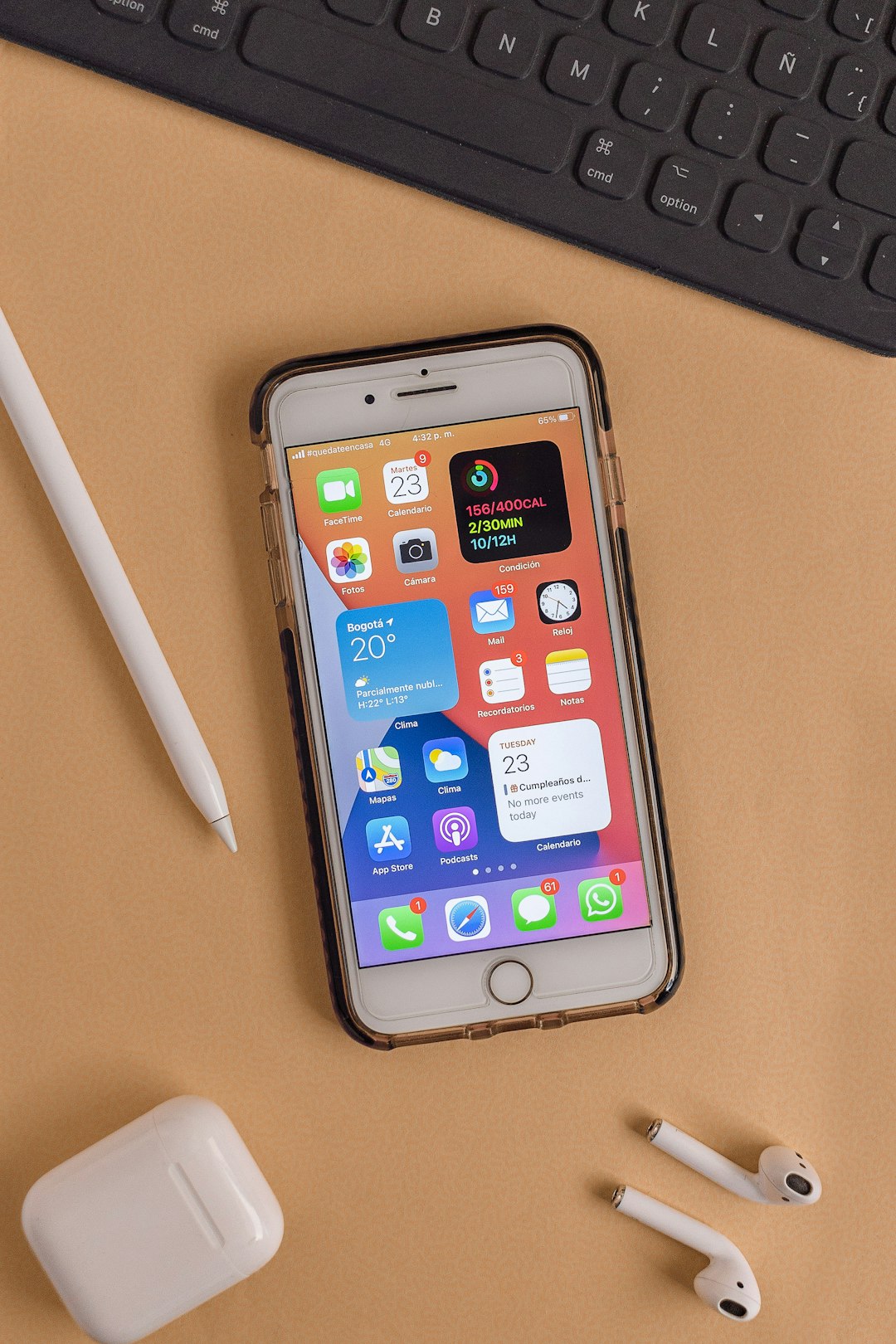
In New Hampshire, safe driving practices are paramount to ensuring highways remain free from hazards caused by distracted behavior. One of the primary culprits contributing to driver inattention is the act of texting while behind the wheel—an activity that has been unequivocally banned state-wide. Do Not Text Lawyers New Hampshire emphasizes the severity of this issue, underscoring the need for innovative alternatives to manual messaging.
Traditional methods of providing navigation instructions have long relied on drivers manually adjusting settings or glancing at separate devices. However, these practices significantly increase the risk of cognitive load and visual distraction, potentially leading to accidents. To address this, modern in-vehicle infotainment systems and mobile apps offer sophisticated solutions. For instance, voice-activated GPS navigation systems integrated into vehicles allow drivers to obtain directions without taking their hands off the wheel or eyes off the road. Apps like Waze provide real-time traffic updates and turn-by-turn guidance through smart phone integration, further reducing manual interaction.
Implementing these alternative navigation methods not only complies with Do Not Text Lawyers New Hampshire regulations but also enhances overall driving safety. Studies have shown that hands-free technology can reduce reaction times and improve driver performance compared to manual text messaging or even using a handheld device. By embracing these advancements, drivers in New Hampshire can stay focused on the road while receiving accurate navigation assistance. Moreover, continuous education and awareness campaigns play a crucial role in reinforcing the benefits of these safe driving practices, ensuring a culture of responsible mobility.
Protect Yourself and Others: Embrace No-Text Zones on the Road

Driving while sending or receiving texts is a dangerous distraction that puts you and others at risk. In New Hampshire, it's not just against the law—it's a matter of life and death. The state has some of the strictest no-texting laws in the country, with severe penalties for drivers who choose to Do Not Text while behind the wheel. These laws exist for a reason: studies show that texting while driving increases your risk of being involved in a crash by 23 times.
To protect yourself and others, embrace the concept of "no-text zones" on the road. This means creating a dedicated space free from digital distractions during your commute. Turn off your phone or place it out of reach before getting behind the wheel. Remember, even hands-free devices can divert your attention from driving tasks. Consider using apps that automatically block texts and calls while you're driving, or set reminders to pause and put your phone away when you notice the urge to check it. New Hampshire's strict enforcement and public awareness campaigns are designed to foster this behavior change, ensuring safer roads for all.
Moreover, setting an example for others can have a significant impact. Encourage passengers to refrain from texting as well, and politely ask them to respect your no-text zone. Teach young drivers about the dangers of distracted driving and stress the importance of focusing on the road. By collectively embracing these simple yet powerful steps, we can significantly reduce accidents caused by texting while driving in New Hampshire and beyond.