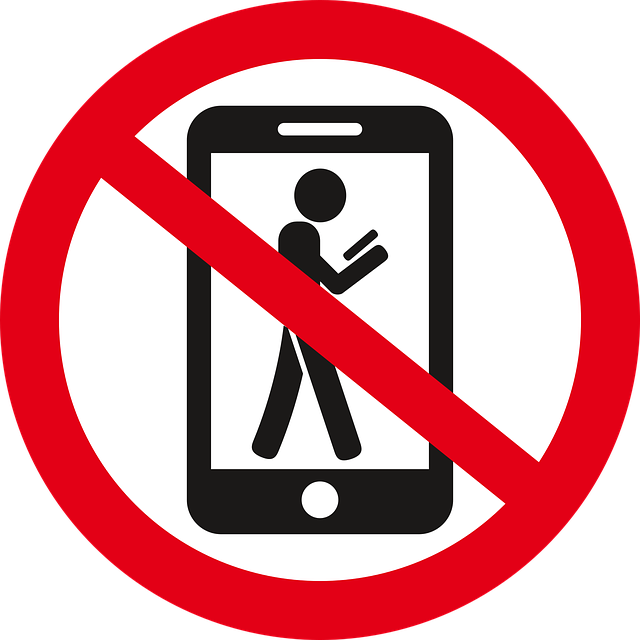
New Hampshire's strict "Do Not Call" law targets handheld device use while driving, focusing on hands-free operation to enhance road safety and minimize accidents caused by distracted driving. This law extends to businesses, requiring them to ensure employees use hands-free devices during calls. Residents can register on the state's Do Not Call list to prevent unwanted telemarketing from law firms. Adopting modern technologies like voice-activated systems and Bluetooth connectivity helps residents comply with the law while ensuring safer roads for all.
“In the state of New Hampshire, a new law has taken effect, banning the use of handheld cell phones while driving. This strict regulation, aimed at enhancing road safety, prohibits drivers from holding their phones to their ear, text messaging, or performing any other activity that requires manual manipulation. The ‘Do Not Call’ rule extends beyond personal vehicles, impacting businesses and legal practices in New Hampshire, especially those offering call services. This article explores the implications of this law, focusing on safe driving, alternative communication methods, and the role of Do Not Call laws for law firms.”
New Hampshire Law: Cell Phone Use
In the state of New Hampshire, cell phone use while driving is strictly regulated by a specific law that aims to promote road safety. The Do Not Call law for cell phone usage prohibits drivers from holding their phones to their ears, effectively reducing distractions behind the wheel. This legislation is part of a broader effort to ensure that motorists remain focused on the road, thereby minimizing the risk of accidents caused by text messaging or making calls while driving.
New Hampshire’s approach stands out among similar laws in other states, focusing specifically on hands-free operation rather than general restrictions on device use. By targeting physical interaction with the phone, the law encourages drivers to utilize voice commands, Bluetooth connections, or other hands-free applications, fostering a safer environment for everyone on the road.
Restrictions on Handheld Devices
In New Hampshire, there’s a specific law that addresses the use of handheld devices while driving, with a particular focus on keeping your phone away from your ear. This legislation is designed to improve road safety by minimizing distractions for drivers. According to the Do Not Call law in New Hampshire, it’s illegal to hold a handheld device and simultaneously operate a motor vehicle. This restriction extends beyond just talking on the phone; it encompasses any activity that requires significant manual interaction with the device, such as texting or browsing social media.
Enforcers aim to deter drivers from engaging in these activities, as they can significantly increase the risk of accidents. The law encourages safe driving habits by promoting unencumbered use of vehicles, ensuring that drivers maintain their full attention on the road and nearby surroundings.
Legal Implications for Businesses
In New Hampshire, the “Do Not Call” laws extend beyond just residential settings, impacting businesses as well. The state’s regulations require companies to respect individual privacy regarding phone communications. Specifically, the prohibition on holding a phone to one’s ear translates into a mandate for hands-free devices during business calls. This is particularly relevant for customer service and sales teams, encouraging the use of speakerphones or headphones to ensure compliance.
For businesses operating in New Hampshire, ignoring this law can lead to legal repercussions. Fines and penalties may be imposed on companies found guilty of violating the “Do Not Call” rules, emphasizing the importance of training employees on proper communication practices. By adopting hands-free technologies and educating staff, businesses can avoid potential legal issues and showcase their commitment to consumer privacy under New Hampshire’s legislation.
Enforcing the Do Not Call Rule
In New Hampshire, enforcing the “Do Not Call” rule is a significant aspect of consumer protection. The state’s law aims to prevent unwanted telemarketing calls, especially from law firms, by empowering residents to take action. If individuals receive repeated calls from law offices despite being on the Do Not Call list, they can file a complaint with the New Hampshire Attorney General’s office. This act serves as a deterrent for businesses, encouraging them to respect consumer preferences and adhere to privacy regulations.
The process is straightforward; complainants can easily register their phone numbers on the Do Not Call list, which many law firms subscribe to. By doing so, they ensure that their communications are welcomed and not considered intrusive. This measure helps maintain a peaceful and less disruptive communication environment for New Hampshire residents.
Safe Driving and Alternative Solutions
Safe driving is a top priority in New Hampshire, and the state’s laws reflect this by prohibiting actions that can distract or endanger motorists. Holding a phone to your ear while driving is considered a significant distraction, leading to slower reaction times and increased risk of accidents. This new law encourages drivers to adopt safer habits on the road.
Instead of holding their phones, New Hampshire residents have several alternative solutions at their disposal. Hands-free options like voice-activated systems or Bluetooth connectivity allow drivers to stay focused on the road while still accessing communication features. Many modern vehicles come equipped with these technologies, making it easier than ever to comply with the new regulations without compromising safety. Additionally, using apps that enable hands-free calling or text messaging can be a convenient way to communicate while driving, ensuring compliance with the Do Not Call law and keeping our roads safe for everyone.