New Hampshire's Do Not Text Laws enforce strict red light safety rules to prevent distracted driving, particularly texting while stopped. Drivers must come to a complete stop at red lights, keep hands on the wheel, and maintain awareness to avoid hazards. Law enforcement actively patrols high-traffic areas, with severe penalties for violations, including fines, license suspension, or jail time. Prioritizing road safety requires shared responsibility from all transportation users to ensure safer driving experiences under Do Not Text Laws New Hampshire.
In the fast-paced world of modern driving, understanding the nuances of traffic laws is paramount for safety and legal compliance. One aspect often overlooked yet critically important is the application of traffic rules at red lights. While many assume these laws only come into play during active traffic flow, the reality is far more nuanced. This article delves into the significance of New Hampshire’s “Do Not Text” laws, particularly focusing on their enforcement when vehicles are temporarily halted at red lights. By exploring real-world scenarios and providing clear insights, we aim to equip drivers with the knowledge needed to navigate these situations responsibly and legally.
Understanding Red Light Laws in New Hampshire

In New Hampshire, traffic laws regarding red lights are designed to maintain order and safety on the roads. Understanding these regulations is crucial for all drivers, as ignoring them can lead to serious consequences. The primary rule to remember is that you must come to a complete stop at all red traffic lights and remain stopped until the light turns green or you receive a clear intersection signal. This fundamental practice ensures the safety of both drivers and pedestrians.
New Hampshire’s Do Not Text Laws emphasize this point further, with strict penalties for drivers using mobile devices while stopped at red lights. The state has implemented these laws to combat distracted driving, which is a leading cause of accidents. When a driver texts behind the wheel, their reaction time slows significantly, making it difficult to react promptly to changing traffic conditions, especially at intersections. As such, New Hampshire law enforcement officers actively enforce Do Not Text Laws, particularly in areas known for high pedestrian and vehicle traffic.
To ensure compliance, drivers should practice awareness while driving. This includes avoiding any activities that take your attention off the road, such as eating, adjusting the radio, or reaching for items in the vehicle. Instead, keep your hands on the steering wheel, maintain eye contact with the road, and anticipate potential hazards at intersections. Regularly updating your knowledge of traffic laws, including red light regulations, is also beneficial. Staying informed allows drivers to adapt their behavior accordingly, fostering a safer driving environment for everyone in New Hampshire.
The Impact of Texting While Driving Bans
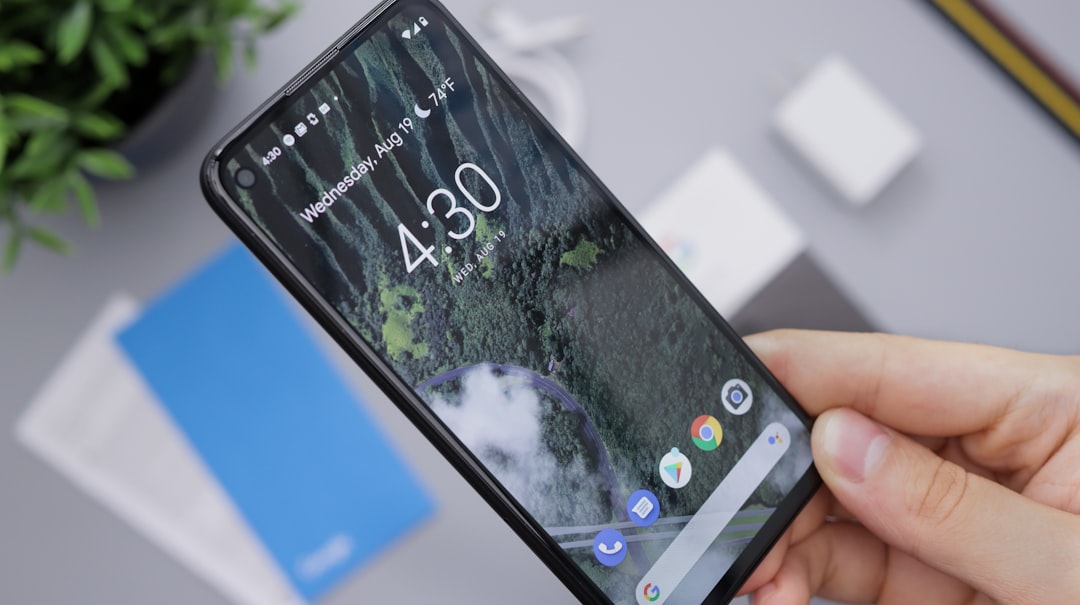
Texting while driving bans have emerged as a critical component of road safety initiatives across the United States, including New Hampshire, where strict Do Not Text laws are in place. These laws aim to combat one of the most significant distractions behind the wheel—mobile device use—which has been linked to a substantial rise in traffic accidents and fatalities. Research indicates that sending or reading a text message while driving delays a driver’s reaction time by an average of 3-4 seconds, equivalent to traveling the length of a football field at 55 miles per hour without looking up from your phone.
In New Hampshire, violation of the Do Not Text laws can result in severe penalties, including fines, license suspension, or even jail time for repeat offenders. The state’s enforcement strategies involve targeted patrols and advanced technology that detects handheld device use while a vehicle is in motion. This strict approach reflects the growing recognition among experts that texting while driving is not just an irresponsible act but a potential crime that endangers not only the driver but also passengers, other road users, and pedestrians. By adhering to these bans, drivers can significantly reduce their risk of involvement in accidents caused by distracted driving.
Practical advice for drivers looking to stay safe on New Hampshire’s roads includes putting your phone away or enabling ‘Do Not Disturb’ mode while behind the wheel. If you need to communicate during a drive, utilize hands-free devices or pull over to a safe location before sending any messages. Remember, the responsibility to arrive safely at your destination rests not only with law enforcement but also with every driver to make conscious choices that prioritize road safety above all else.
How to Stay Safe: Driver Responsibilities

Staying safe on the road is a shared responsibility between drivers, pedestrians, and everyone involved in transportation. When stopped at a red light, it’s crucial to understand that the rules of engagement still apply. Texting while driving, for instance, remains one of the most dangerous distractions, with New Hampshire having strict laws against it. Even if you’re temporarily halted, the potential consequences of texting can be severe, leading to accidents and injuries. Remember, Do Not Text Laws New Hampshire emphasizes this point, aiming to keep roads safe by minimizing driver distractions.
Driver responsibilities extend beyond refraining from texting. It’s vital to remain focused and alert, constantly assessing your surroundings for any changes in traffic conditions. This includes being aware of other vehicles, pedestrians, and cyclists who may suddenly enter your path. For example, a child darting out from between parked cars or a cyclist navigating through heavy traffic all require immediate attention. Maintaining a safe distance from the vehicle ahead is also critical; this provides ample reaction time should the car in front stop suddenly.
Practical advice for staying safe at red lights includes keeping your eyes open and actively scanning the area around you. Engage your surroundings with a conscious awareness, anticipating potential hazards. Additionally, keep your hands on the steering wheel, ready to respond at a moment’s notice. These simple yet powerful actions can significantly enhance your safety and that of others on the road, ensuring a more secure driving experience, even when stopped at a red light.
Legal Consequences and Safety Measures

Even when stopped at red lights, drivers in New Hampshire are expected to adhere to traffic laws, including those related to distracted driving. The legal consequences of violating these rules can be severe. For instance, according to data from the New Hampshire Department of Safety, distracted driving accounts for a significant portion of accidents state-wide, with many occurring at intersections where red lights are present. Do Not Text Laws New Hampshire emphasizes that texting while driving is not only illegal but also incredibly dangerous, as it divides a driver’s attention away from the road.
The safety measures designed to prevent these incidents are clear and concise. Drivers must avoid any activity that takes their eyes off the road or hands off the steering wheel. This includes texting, using mobile apps, eating, or adjusting settings on their vehicle. Violations of these rules can result in fines, points on a driver’s license, and even suspension or revocation. Law enforcement agencies conduct regular patrols and have access to advanced technologies that can detect distracted drivers, ensuring compliance with Do Not Text Laws New Hampshire.
Practical insights from traffic safety experts suggest that drivers should plan ahead by setting their phones to silent mode or using hands-free devices when behind the wheel. Additionally, keeping a clean and organized vehicle can help minimize distractions, enabling drivers to focus on the road. By heeding these guidelines, drivers not only comply with New Hampshire’s legal requirements but also contribute significantly to maintaining safe roads for everyone.