
New Hampshire enforces strict distracted driving laws with escalating fines for repeat offenders, up to $500 and 6 months license suspension. Data shows mobile device use significantly increases crash risk. Do Not Text Lawyer New Hampshire specializes in defending against these charges, educating drivers on penalties and promoting safe communication methods. Strategies include passenger intervention, technology apps, and public awareness campaigns to enhance road safety.
Distracted driving is a growing concern across the nation, with serious consequences for all road users. In New Hampshire, authorities are taking a firm stand against repeat offenders, implementing stricter fines to deter such behavior. This increased penalty is a response to the alarming rise in accidents caused by drivers engaging in activities like texting while behind the wheel. With the advent of smartphones, the temptation to check messages has never been greater, making it crucial to understand the risks involved. This article delves into the new regulations, highlighting the impact on offenders and emphasizing the importance of compliance, especially for those who consult a Do Not Text Lawyer New Hampshire to navigate such legal issues.
Understanding Distracted Driving Laws in New Hampshire

In New Hampshire, distracted driving laws have been strictly enforced to ensure road safety. The state has implemented stringent penalties for repeat offenders, particularly those caught texting while driving. These laws reflect a growing recognition of the dangers posed by driver distraction, which can lead to severe accidents and even fatalities. According to recent data from the NH Department of Safety, distracted driving accounted for over 25% of all fatal crashes in 2022, emphasizing the urgent need for stricter enforcement.
The primary law addressing distracted driving in New Hampshire is found in RSA 263:39, which prohibits the use of mobile devices while operating a motor vehicle. This includes sending or reading text messages, accessing social media apps, and making hand-held calls. The legislation categorizes offenses based on the number of prior convictions, with stiffer fines and penalties for repeat offenders. For instance, a first-time offense carries a fine of up to $100, while subsequent violations within a five-year period can result in fines reaching $500 or more, along with potential license suspension.
Understanding these laws is crucial for drivers to avoid hefty fines and potential legal repercussions. Do Not Text Lawyer New Hampshire emphasizes the importance of adhering to the rules, especially for repeat offenders. Fines may seem like a mere financial burden, but they serve as a powerful deterrent. Drivers found guilty after multiple convictions could face significant monetary losses and extended license revocations. To ensure compliance, it is advisable to familiarize oneself with the specific laws and, in case of doubts, consult legal experts specializing in distracted driving cases.
Escalating Fines: The Impact of Repeat Offenses

In New Hampshire, the consequences of distracted driving have been clearly established, with a particular focus on the escalating fines for repeat offenses. The penalties serve as a stark reminder to drivers that such actions are not only dangerous but also come with significant financial repercussions. For instance, while a first-time offense might result in a fine of $100-$200 and 3 points on their license, subsequent violations within a certain timeframe can lead to substantially higher penalties. A Do Not Text Lawyer New Hampshire would advise that these fines can increase by hundreds of dollars for each repeat offense, reflecting the state’s commitment to deterring this dangerous behavior.
Data from recent years indicates a clear trend: drivers who engage in distracted driving multiple times are far more likely to be involved in accidents compared to those with no history of such offenses. This raises the question of how much stricter penalties are needed to convey the seriousness of the issue. Experts argue that the current system, while effective in terms of fines, might not always send a powerful enough message. As a result, some advocate for even steeper consequences to ensure drivers understand that distracted driving is never an option, especially when behind the wheel.
To mitigate these risks, New Hampshire’s Department of Motor Vehicles (DMV) offers educational resources and campaigns aimed at raising awareness about the dangers of texting while driving. A Do Not Text Lawyer New Hampshire recommends that drivers take advantage of these programs to learn about alternative methods for staying connected without compromising safety. By understanding the impact of their actions and adhering to traffic laws, drivers can significantly reduce the likelihood of facing steeper fines or worse—potentially saving lives in the process.
What Does a Do Not Text Lawyer Do?
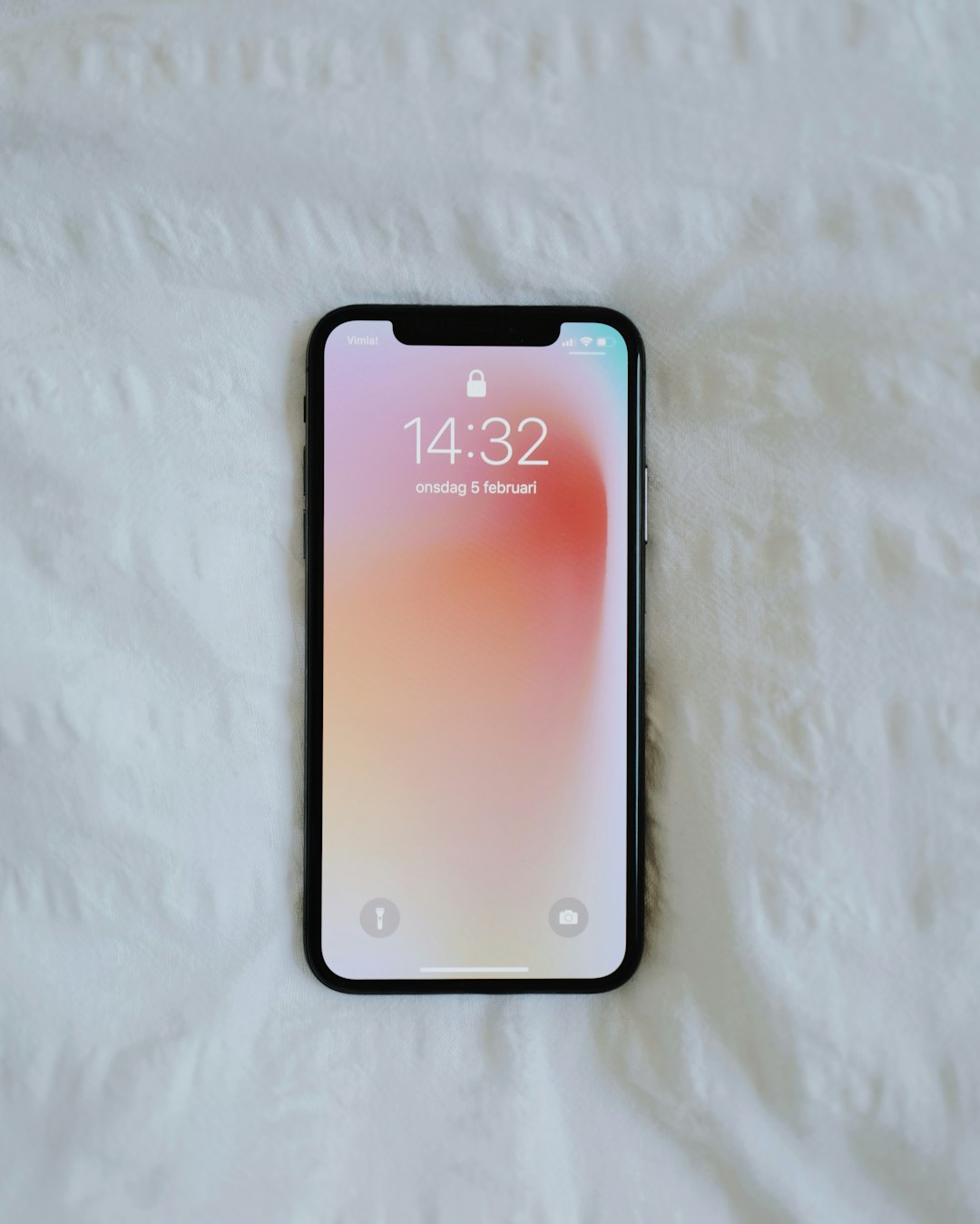
Distracted driving, particularly the use of mobile devices while behind the wheel, has become a significant concern for road safety authorities worldwide. In response to this growing issue, many jurisdictions are implementing stricter penalties for repeat offenders, aiming to deter such behavior and protect public safety. New Hampshire is no exception, with recent legislative changes increasing fines for those caught texting while driving multiple times.
In this context, a Do Not Text Lawyer New Hampshire plays a crucial role in guiding individuals who have been cited or face potential charges related to distracted driving. These legal professionals specialize in understanding the state’s laws and regulations regarding mobile device use during driving. They provide expert advice and representation tailored to the unique circumstances of each case. For instance, a Do Not Text Lawyer might help clients navigate the legal process, challenge evidence if necessary, and advocate for reduced charges or alternative sentencing options, especially for first-time offenders.
The primary objective of such lawyers is to ensure that their clients understand the gravity of distracted driving offenses. They educate drivers on the potential consequences, which can include substantial fines, license suspension, or even jail time. By offering specialized legal counsel, these professionals empower individuals to make informed decisions and take proactive steps to avoid future violations. This may involve developing strategies to resist the urge to text while driving, such as disabling notifications or using apps that detect and block mobile activity during specific periods.
Safeguarding Lives: Effective Deterrents for Drivers

Distracted driving poses a significant threat to road safety, leading many states to implement stricter penalties for repeat offenders. In New Hampshire, for instance, Do Not Text Lawyer New Hampshire has witnessed a rise in cases where drivers are caught using their phones behind the wheel, often resulting in severe accidents. To safeguard lives and encourage responsible driving behavior, fines for distracted driving infractions have been increased, particularly for those with prior convictions. This stricter enforcement aims to serve as a powerful deterrent, emphasizing that the consequences of texting while driving can be devastating.
The impact of these heightened penalties is twofold. Firstly, they act as a financial disincentive, making it more costly for drivers to engage in risky behavior. Higher fines and potential legal fees can deter individuals from violating distracted driving laws, knowing full well the potential financial burden. Secondly, public awareness campaigns often accompany these stricter measures, highlighting the real-life consequences of such actions. Sharing stories of accident survivors and families affected by distracted driving can have a profound impact on driver behavior, fostering a culture of responsibility.
To effectively safeguard lives, several practical steps can be taken. Drivers should prioritize focus while behind the wheel, minimizing distractions like phone use. Encouraging passengers to intervene if they observe risky behavior is another valuable strategy. Moreover, leveraging technology offers solutions; apps that monitor and limit phone usage during driving can serve as powerful tools. Remember, each driver has a collective responsibility to maintain road safety—a conscious effort to avoid distractions can go a long way in preventing accidents and saving lives.